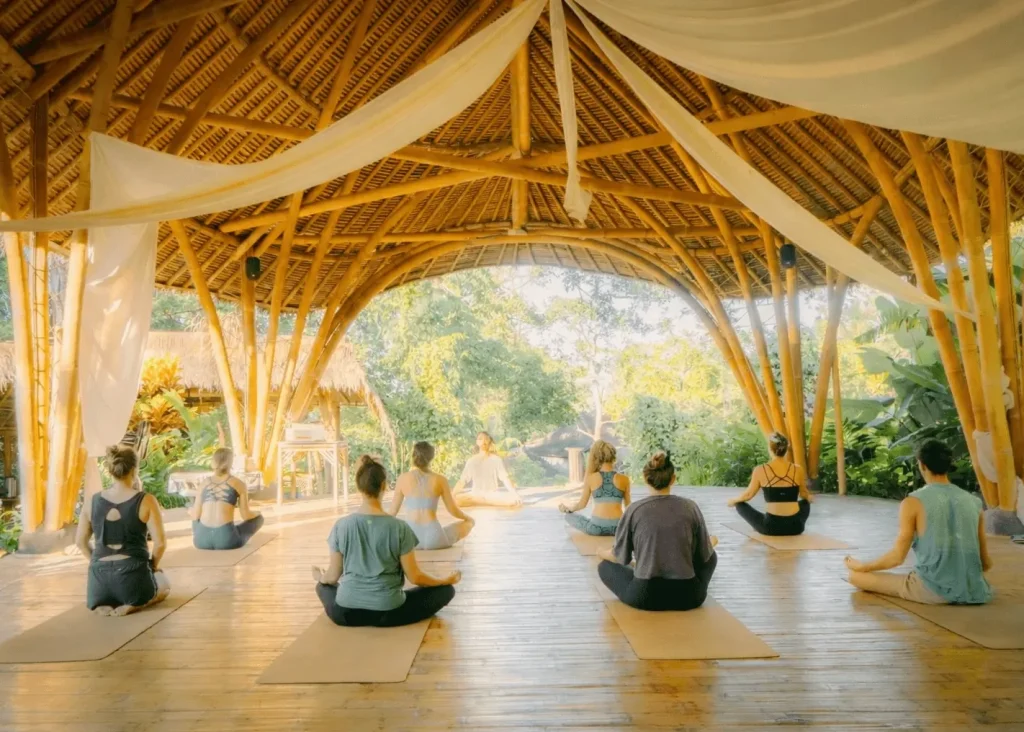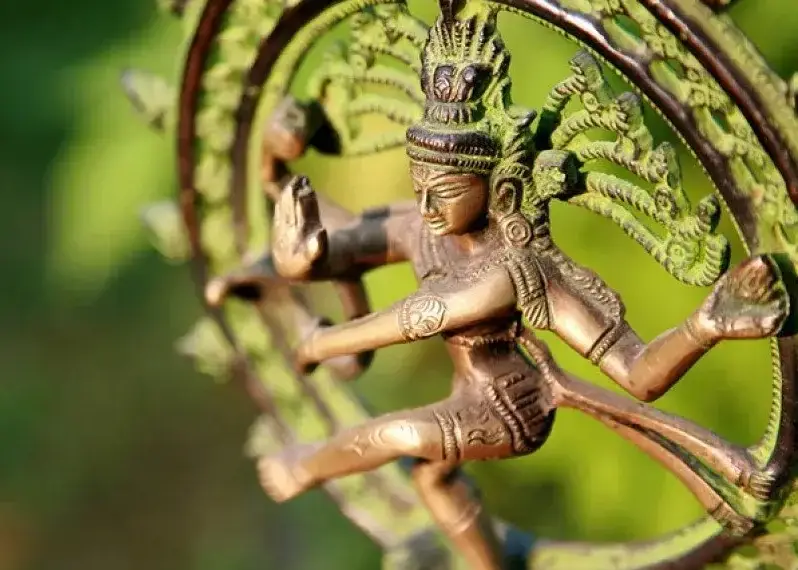
As one year comes to an end and another quietly approaches, many of us feel an instinctive urge to pause, reflect, and recalibrate. Modern culture often frames this moment through resolutions, productivity goals, and forward planning. Yoga, however, offers a very different perspective.
Long before calendars, deadlines, or even the concept of a “New Year,” Yogic traditions understood life as a series of cycles — beginnings, middles, and endings that continuously flow into one another. These transitions were not rushed. They were honoured.
In Yoga philosophy, moments of change are considered powerful thresholds — opportunities to cultivate awareness, clarity, and steadiness before moving forward. Whether you live in a seasonal climate or a tropical environment like Bali, the end of one cycle and the beginning of another carries psychological, emotional, and energetic significance.
Rather than approaching the year’s end with urgency or expectation, Yoga invites us to slow down and meet this transition with presence. Below are ancient Yogic practices that align naturally with closing one year and stepping consciously into the next.
1. Honouring Sandhya: The Sacred Pause Between Cycles
In Yogic philosophy, sandhya refers to transitional moments — the space between night and day, inhale and exhale, movement and stillness. These moments are considered especially potent, not because something dramatic happens, but because awareness becomes more refined.
The end of the year can be seen as a form of sandhya — an in-between time where the old has not fully dissolved and the new has not yet taken shape.
Practice:
Choose a quiet moment at sunrise or sunset during the final days of the year. Sit comfortably, without an agenda. Rather than analysing or planning, simply observe the breath and the state of the mind. Allow thoughts to come and go without engaging them.
This practice trains the ability to pause before action — a quality that Yoga values deeply. Instead of rushing to define the next chapter, we learn to rest in the threshold itself.
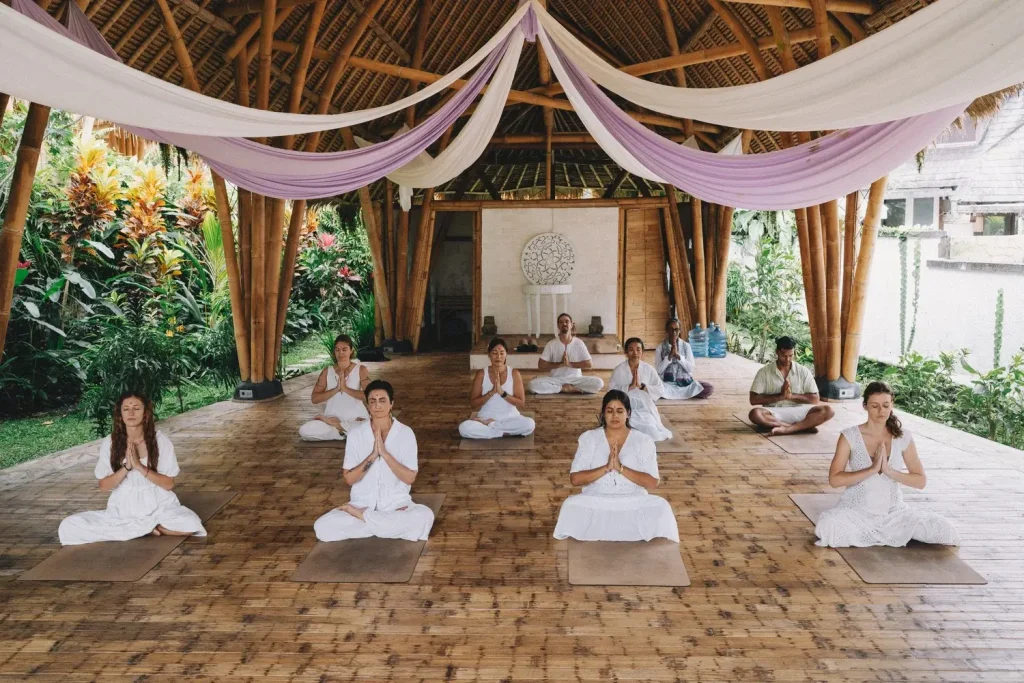
2. Svādhyāya: Reflecting on the Year Through Self-Study
Svādhyāya, or self-study, is one of the niyamas described in classical Yoga texts. It is not about self-criticism or improvement, but about honest observation.
At the end of the year, svādhyāya becomes particularly relevant. Rather than measuring success or failure, Yoga encourages us to observe patterns — how we responded to challenges, where the mind repeatedly returned, and which habits shaped our inner landscape.
Practice:
Set aside time for gentle reflection. This can be done through journaling, contemplation, or silent sitting. Ask simple questions, such as:
- What situations repeatedly tested my patience or clarity this year?
- Where did I feel most grounded and steady?
- What patterns do I notice in my reactions?
Approach this inquiry without judgement. In Yoga, awareness itself is transformative.
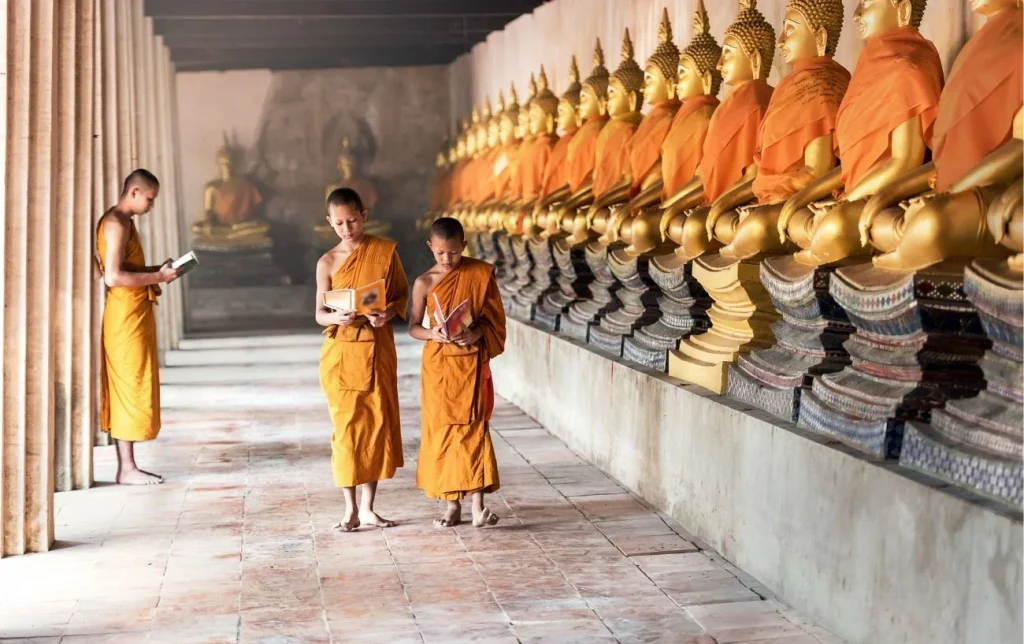
3. Cultivating Viveka: Discernment for the New Cycle
Viveka — discernment — is the ability to distinguish between what is essential and what is transient. It is a central concept in Yogic philosophy and becomes especially important during moments of transition.
As one year ends, there is often a natural tendency to carry everything forward: commitments, expectations, habits, and unresolved tensions. Viveka helps us pause and ask what truly needs to come with us — and what does not.
Practice:
During meditation or quiet reflection, notice what occupies the mind most persistently. Which concerns dissolve easily, and which continue to surface? Often, what remains after the noise settles points to what truly matters.
This practice is less about making decisions and more about sharpening awareness. Discernment arises naturally when the mind becomes clear.
4. Restoring Balance Through Sattva
According to Yoga philosophy, the mind is influenced by three qualities, or gunas: tamas (heaviness, inertia), rajas (activity, restlessness), and sattva (clarity, balance).
The end of the year often amplifies either tamas — mental fatigue and withdrawal — or rajas — overstimulation, social obligations, and constant movement. Yoga does not seek to eliminate these qualities, but to restore balance by cultivating sattva.
Practice:
Support sattva through simplicity:
- Eat nourishing, uncomplicated meals
- Reduce unnecessary sensory input
- Spend time in nature
- Choose gentle asana and steady breathing practices
- Prioritise adequate rest
In a place like Bali, where life remains vibrant year-round, this intentional simplification helps create inner spaciousness, regardless of external activity.

5. Sankalpa: Allowing Intention to Arise Naturally
In many modern interpretations, intention-setting happens immediately — often before reflection has taken place. Traditionally, Yoga approaches intention, or sankalpa, differently.
A sankalpa is not a goal or resolution. It is a quiet inner orientation that emerges after stillness, self-study, and discernment.
Practice:
After spending time in reflection and simplification, allow an intention to surface naturally. Keep it short and rooted in being rather than achievement. For example:
- “I meet life with steadiness.”
- “I act from clarity and compassion.”
- “I remain present through change.”
Repeat this sankalpa silently during meditation or at the beginning of your practice. Let it guide your actions gently, without force.

Completing One Cycle Before Beginning Another
Yoga reminds us that how we end something shapes how we begin what follows. When we rush through transitions, we often carry unresolved patterns into the next phase. When we pause, observe, and simplify, the new cycle begins from a place of clarity rather than momentum.
Closing one year and beginning another does not require dramatic rituals or external change. It requires awareness — the willingness to meet transition consciously.
At SKY Yoga & Meditation, we honour these moments through daily practice, traditional teachings, and environments that support reflection and presence. Whether through asana, meditation, or Yogic philosophy, these practices are not about preparing for a better future — they are about meeting the present moment fully.
In doing so, the next cycle unfolds naturally.